Most gutter faults announce themselves in one of five ways: water overflowing, a run sagging, a seam leaking, a downspout doing nothing, or the board behind the gutter going soft. Each points at a different cause, and the cause decides whether you are repairing or replacing.
Gutter Answers connects you with licensed local companies. We are not a contractor and do not perform the work ourselves.
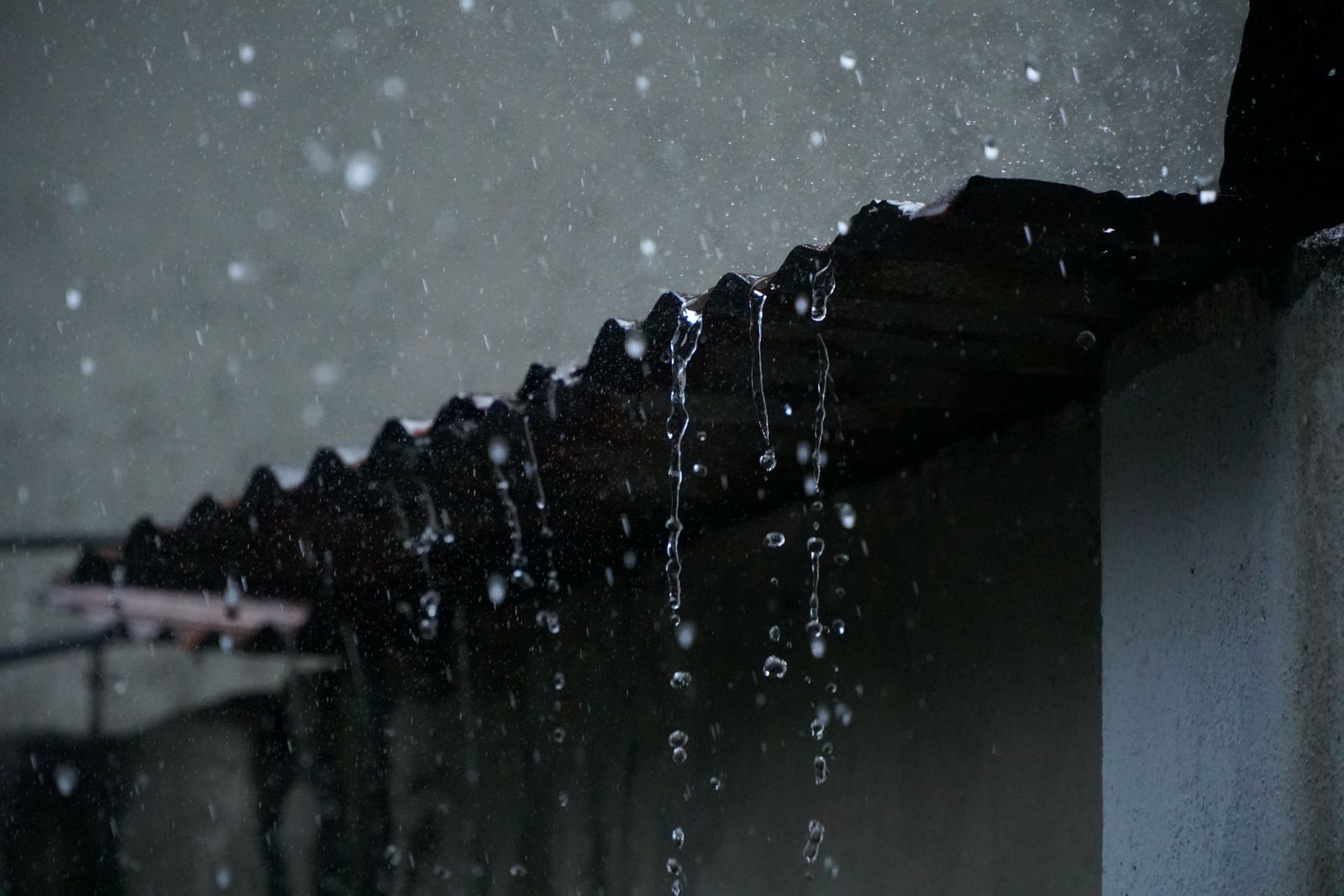
Overflow without a blockage usually means the water is arriving faster than the system can take it away, or it is arriving somewhere the gutter cannot catch it. Neither is fixed by cleaning, which is why the problem comes back.
The diagnostic worth doing is watching it rain. Where the water goes over the edge tells you far more than looking at a dry gutter from a ladder.
Sagging is a fixing problem or a weight problem, and often both. Gutters full of wet debris are heavy, and hangers spaced too far apart or driven into soft fascia give way under that load.
The important part is what the sag has been doing while it developed. A gutter that has been holding standing water has been keeping the fascia behind it wet, and that is the repair that actually matters.
Seams, joints and corners leak because the sealant in them has a service life and the metal on either side of it moves with temperature. A sealed joint is a maintenance item rather than a permanent one.
A resealed joint is a legitimate repair and can last years. The judgement call is how many joints on the same run have now been done. Once you are resealing the third or fourth, you are maintaining a run that is telling you it is finished, and seamless gutter exists precisely because joints are where runs fail.
As soon as water has been running down the back of the gutter rather than through it. Fascia is usually wood, and wood that stays wet fails. This is the single most common way a modest gutter job turns into a larger one.
If any of those are present, say so when you ask for quotes. A company that knows before it arrives will price the job you actually have.
Isolated, single point failures on a sound run repair well and are worth repairing. Failures that are distributed along a run, or that keep reappearing somewhere new, are the run reaching the end of its service life.
| Symptom | Usually |
|---|---|
| One leaking seam or corner | Repair |
| One sagging section | Repair, plus a look at the fascia |
| Blocked downspout | Clear it, then ask why it blocked |
| Overflow at one corner every storm | Re-pitch or add an outlet |
| Leaks in new places each season | Replacement |
| Rust or splits along a whole length | Replacement |
| Fascia soft along the run | Carpentry first, then gutters |
A single leaking seam is a normal repair and resealing it is legitimate work. If you have resealed several joints on the same run over a couple of seasons, the issue is the run rather than the joints.
Because cleaning fixes blockage, and overflow has other causes. Undersized runs, too few downspouts, wrong pitch and water overshooting off a steep roof all produce overflow in a perfectly clean gutter.
Either the hangers have failed, or what they are fixed into has. The second is more serious, because it means the fascia has been getting wet long enough to soften, and new gutters cannot be hung on a rotten board.
Simple work such as clearing a downspout or resealing a joint is within reach of a general handyman. Anything involving pitch, sizing, seamless runs or fascia repair is a job for a company that does gutters as its trade.
It depends where the water is going. Water discharging against a wall or a foundation is doing steady damage and is worth dealing with before the next heavy rain. Water spilling harmlessly onto a lawn is a job that can wait for a quote.
Get Matched
Tell us what your gutters are doing and we will connect you with licensed companies working in your area. There is no obligation to hire anyone.