Urgency is decided by where the water is going, not by how the gutter looks. Water discharging against a wall, into a basement or over a foundation is doing damage now. Water spilling onto open ground is a job that can wait for proper quotes.
Gutter Answers connects you with licensed local companies. We are not a contractor and do not perform the work ourselves.
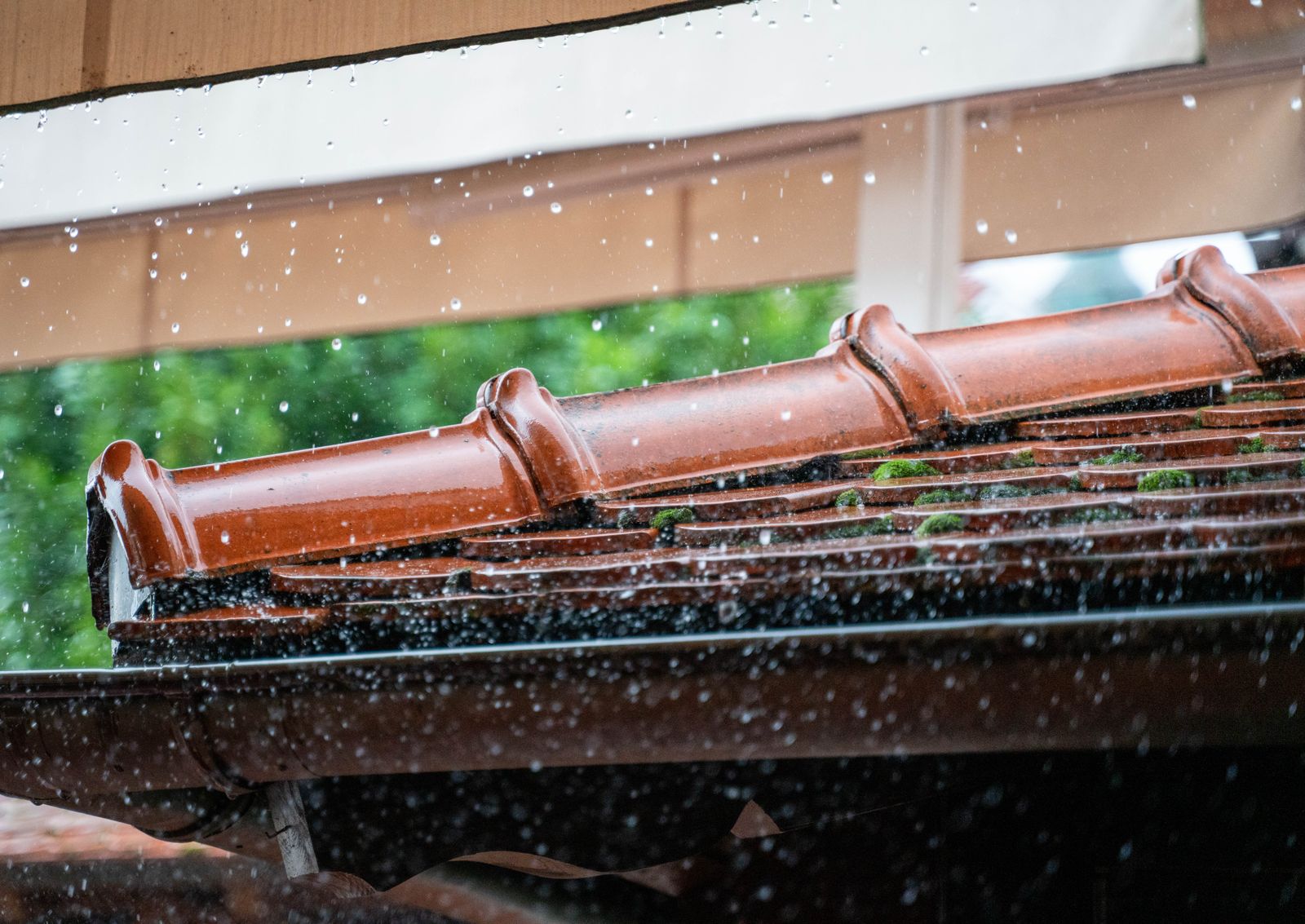
The useful work during a storm is observation and diversion, not repair. Ladders and wet roofs are a poor combination, and nothing you fix in the rain will be a lasting fix anyway.
Those photographs are genuinely valuable. A leak is very hard to locate on a dry day, and a company arriving with a picture of the water in motion is a company that can find it.
A leaking joint is repaired by cleaning the joint back properly, removing the old sealant rather than covering it, and resealing with a product intended for the material. Sealing over failed sealant is the most common reason a repair does not hold.
Corners leak more often than straight joints because there is more movement and more sealant in them. A corner that has been resealed repeatedly is usually telling you that the run has reached the end of its life rather than that the sealant keeps being applied badly.
Some of it, if you are confident on a ladder and the work is at a reachable height. Clearing a downspout, re-securing a hanger and resealing a single accessible joint are within reach of a careful owner.
What is not a self repair job is anything involving pitch, sizing, a full run, work at height, or fascia that has gone soft. Falls from ladders are the real risk in gutter work, and they happen to people doing a small job quickly.
When the same run has been repaired more than once in a short period, or when the water has been getting behind the gutter long enough to affect the fascia. At that point a further repair is buying time rather than solving anything.
It is reasonable to take a temporary repair to get through a wet spell and then quote the real job properly afterwards. That is a sensible sequence, and a good company will say so.
Stay off ladders while it is wet. Photograph where the water is leaving the system, and divert any downspout that is discharging against the house. The repair itself is a dry weather job.
Clean the joint back and remove the old sealant completely rather than sealing over it, then reseal with a product suited to the gutter material. Sealing over failed sealant is why most attempts leak again.
There is more sealant in a corner and more movement across it as the metal expands and contracts. That combination works the joint harder than a straight run.
It depends where the water lands. Against a wall or a foundation it is worth dealing with before the next heavy rain. Onto open ground away from the building it can wait until you have proper quotes.
Availability varies by company and by conditions, and we cannot promise a response on anyone's behalf. What is worth knowing is that a lasting repair generally needs dry conditions, so an emergency visit is often about limiting damage.
Get Matched
Tell us what your gutters are doing and we will connect you with licensed companies working in your area. There is no obligation to hire anyone.