Most residential gutter work is priced by the linear foot, and installed aluminum seamless, the common default, runs roughly 6 to 13 dollars a foot. Vinyl sits below that band, steel above it, and copper in a different league entirely. Downspouts, corners and any fascia repair are added on top.
| Material | Typical installed range |
|---|---|
| Vinyl, sectional | $3 to $6 per linear foot |
| Aluminum, seamless | $6 to $13 per linear foot |
| Galvanized steel | $9 to $20 per linear foot |
| Zinc | $25 to $40 per linear foot |
| Copper | $25 to $45 per linear foot |
On a single story home with about 160 linear feet of gutter that is roughly 1,000 to 2,100 dollars in aluminum seamless, before downspouts and any fascia repair. A larger two story home, or a switch to copper, moves that figure sharply.
Gutter Answers connects you with licensed local companies. We are not a contractor and do not perform the work ourselves.
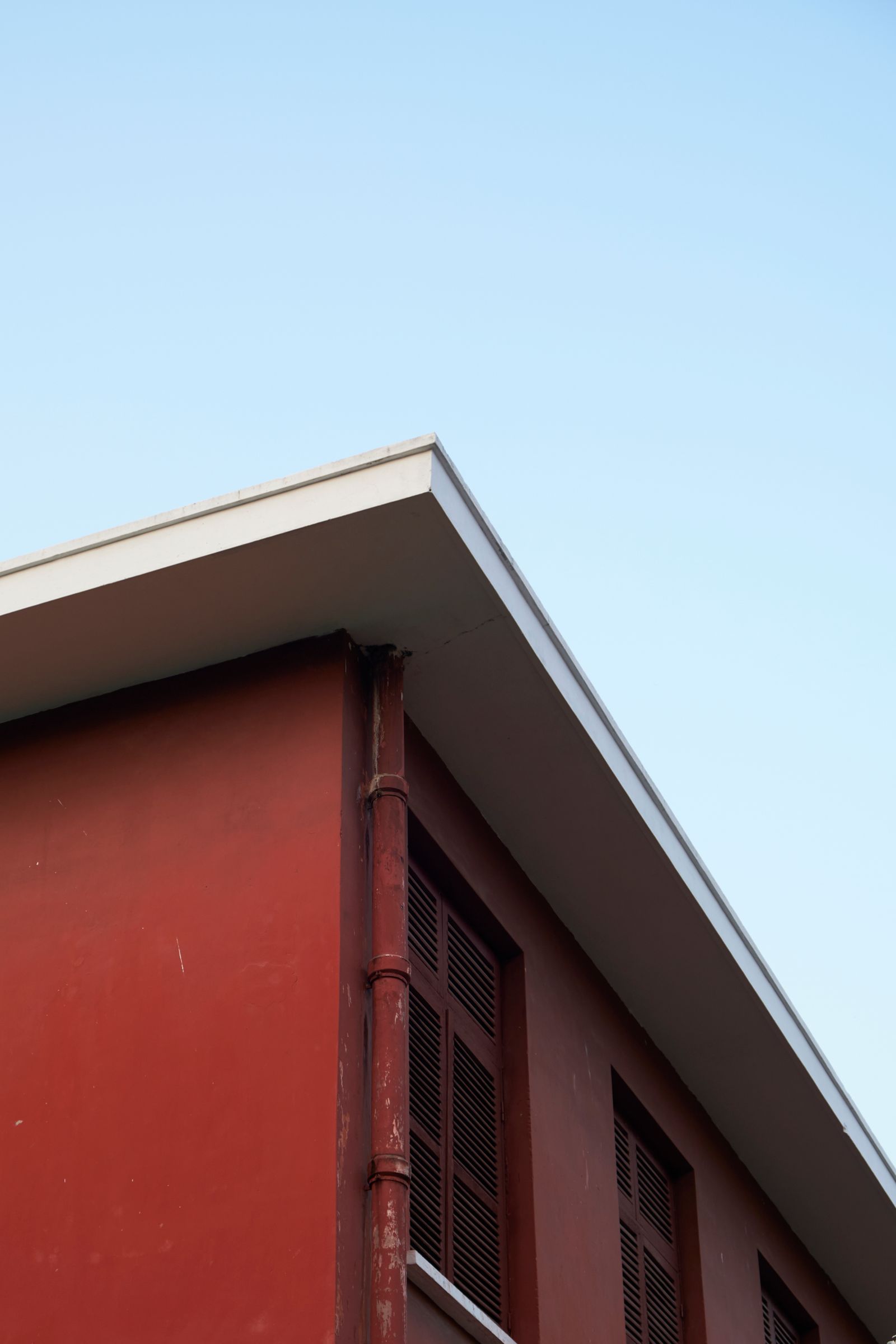
A quote is a bundle of separate jobs presented as one number, and the gap between two quotes is usually a difference in what has been bundled. Before comparing prices, make both companies list the same things.
| Line item | What to check |
|---|---|
| Gutter run | Linear feet, material, gauge, seamless or sectional |
| Corners and outlets | How many, and whether they are priced separately |
| Downspouts | Count, size, and where the water is discharged |
| Hangers and brackets | Type and spacing, which decides whether it sags later |
| Fascia and soffit | Whether repair is included or quoted as an unknown |
| Tear-off and disposal | Removal of the old run and where it goes |
| Guards | Type, and whether the price assumes them |
| Permits | Rarely needed for gutters, but confirm rather than assume |
A quote that is a single line and a single number is not a quote you can compare. Ask for it broken out.
Most of the spread comes from four places, and none of them is the company being greedy or generous. They are decisions about the work, and they are yours to make once you know they exist.
Yes, and it changes the lifespan and the look with it. This is the decision with the widest spread on the whole job, so it is worth understanding what you are choosing between before a salesperson frames it for you.
| Material | What you are trading |
|---|---|
| Vinyl | Lowest cost, easiest to damage, color is the material |
| Aluminum | The common default, painted finish, formed seamless on site |
| Galvanized steel | Stronger than aluminum, heavier, can rust where coating fails |
| Zinc | Long lived and self weathering, specialist installation |
| Copper | The premium option, soldered joints, ages to a patina |
Gauge matters as much as metal. Two aluminum quotes can use different thicknesses, and the thinner one dents when a ladder leans on it. Ask which gauge is quoted.
Guards are a separate purchase bolted onto the gutter decision, and the type sets the price far more than the brand does. Price them as their own line so you can accept or decline them on their merits.
| Guard type | Typical installed range |
|---|---|
| Screen and mesh | $2 to $6 per linear foot |
| Micro mesh, professionally fitted | $7 to $15 per linear foot |
| Reverse curve and proprietary systems | $20 to $40 per linear foot |
Be wary of a quote where guards are folded invisibly into a per foot rate. That is how a gutter price ends up looking high without anyone being able to say why.
Repair is better value when the failure is isolated and the rest of the run is sound. Replacement becomes the better value once you are paying for a third visit in two years, or once the fascia behind the gutter has started to go.
The honest test is not the age of the gutter. It is whether the next failure is predictable. If a company can tell you where the run will fail next and why, that is a run that is finished.
Three things, in this order. Get at least two more quotes on the same specification, not on whatever each company felt like proposing. Ask each one what the price assumes about the fascia. Then ask what happens to the price if that assumption turns out to be wrong.
The answer to that last question tells you more about a company than any of the numbers do.
By the linear foot for the gutter run, with downspouts, corners, outlets, tear-off and any fascia repair added on top. Comparing per foot rates alone is misleading because the extras differ between quotes.
Seamless gutter is formed from a coil by a machine brought to your house, so you are paying for that equipment and the operator running it. What you get back is a run with joints only at corners and outlets.
It should at least be addressed. Many quotes assume the fascia is sound because it cannot be inspected properly from the ground. Ask what the price assumes and what changes if soft board is found once the old gutter is off.
Usually not, but permitting is set locally and there are places and situations where it applies. Ask the company whether one is needed for your work and who is responsible for pulling it.
A calculator can estimate the length of run a house needs, which is genuinely useful for sanity checking a quote. It cannot see your fascia, your access or your roofline, and those are where quotes actually diverge.
Get Matched
A quote you can compare has to state the profile and size it is pricing, not just a price per foot. Sizing follows Chapter 1 of the Architectural Sheet Metal Manual, 7th edition, from SMACNA, which takes rainfall load from its Table 1-2 and standard downspout dimensions from Table 1-3, using gutter capacities experimentally determined by the National Institute of Standards and Technology. Two quotes for different profiles are not the same job, and the cheaper one is sometimes simply the smaller gutter.
Tell us what your gutters are doing and we will connect you with licensed companies working in your area. There is no obligation to hire anyone.