Gutter maintenance is mostly clearing debris, checking that water goes where it is meant to, and catching small failures while they are still small. It is unglamorous and it is the least costly work you will ever do on a gutter system.
Gutter Answers connects you with licensed local companies. We are not a contractor and do not perform the work ourselves.
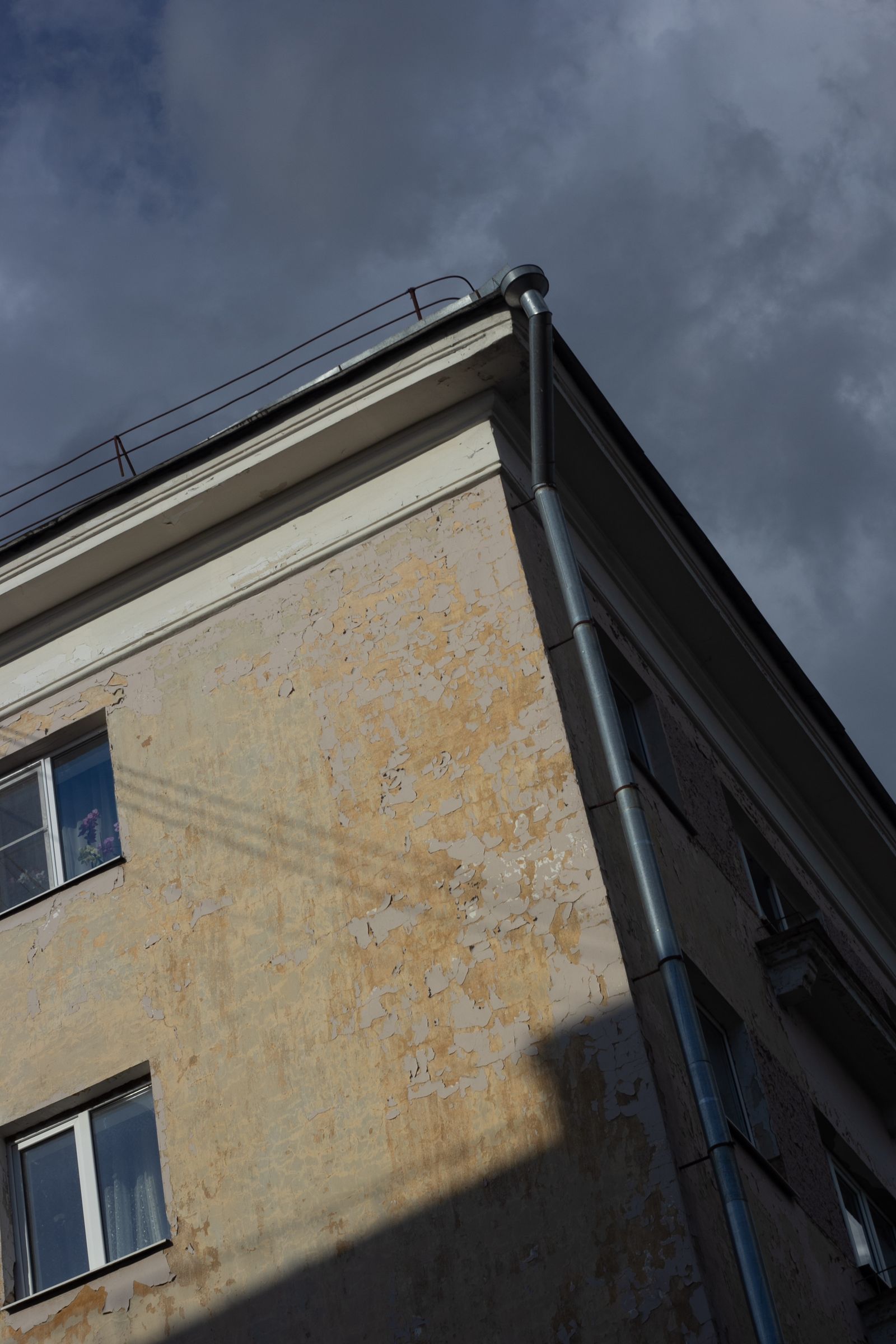
Frequency follows what is above the roof rather than the calendar. A house with no overhanging trees may need very little. A house under mature deciduous trees can need clearing more than once in a single autumn.
The better trigger than a schedule is a heavy rain. Go out during one and watch. A system that handles a downpour cleanly does not need you.
Clearing the channel is the visible part. The check around it is what catches problems early, and it costs nothing beyond the time you are already spending up there.
Standing water and overflow, and everything downstream of those. Water that cannot leave the gutter goes over the edge or behind the run, and behind the run is where the expensive damage happens.
The sequence is predictable. A blocked run overflows, the overflow runs down the fascia, the fascia stays wet and softens, the hangers lose their fixing, the run sags, and the sag holds more water. Clearing the debris interrupts that at the least costly possible point.
When a clean gutter still overflows, or when the same section fails repeatedly despite being maintained. At that point the problem is the system rather than the debris in it.
A clean run that overflows is usually undersized, under-drained, wrongly pitched or being overshot by water off a steep roof. None of those are cured by going up more often, and continuing to try is how people end up cleaning gutters four times a year for a problem a company could have diagnosed once.
It depends on what overhangs the roof rather than on a fixed schedule. Houses under mature trees may need clearing more than once each autumn; open sites with no trees need it far less, though they still merit an inspection.
Yes, and it is a sensible moment to ask the question. If a company is up there clearing and finds repeated failures or soft fascia, that is exactly the information you need before deciding whether to keep maintaining the run.
No. They reduce how often the channel needs clearing, but the guard surface itself collects debris and needs attention, and finer material still passes through most types.
After leaf fall is the common answer for houses with deciduous trees, and before the wettest part of your year in general. Pines shed year round, so those houses work on a different rhythm.
Yes. It means the run is not draining, either because of pitch, a blockage further along, or a sag. Standing water is heavy, and the weight makes the sag worse over time.
Get Matched
Tell us what your gutters are doing and we will connect you with licensed companies working in your area. There is no obligation to hire anyone.